Independent machinery sourcing ยท Evidence

industrial die cutting machine

Industrial Die Cutting Machine Sourcing is an independent sourcing partner for US plant buyers who need an industrial die cutting machine matched to a named material stack, die drawing and cut result. Share bed size in inches, whether the cut is through-cut or kiss-cut, quantity and destination so we can request comparable factory wholesale quotes. We do not run a press shop, hold inventory or sell under a maker appointment.

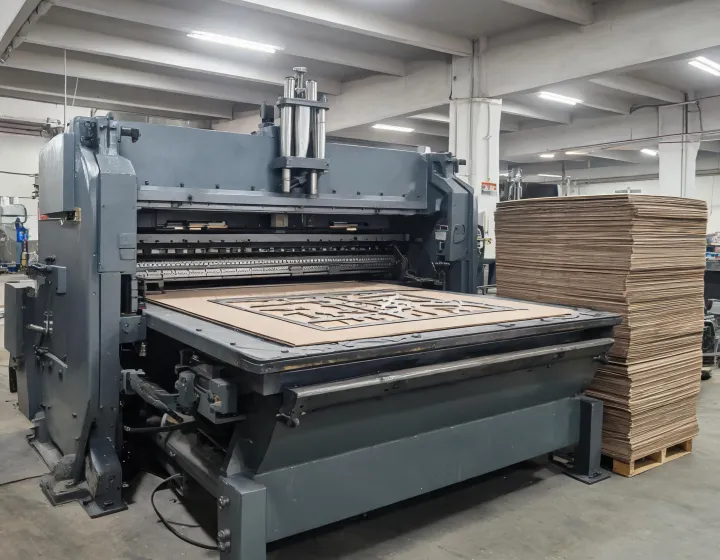
Hydraulic flat-bed industrial die cutting press with steel rule die on the cutting pad Request Factory Quotes

Replacement versus new installation

Existing process

Many inquiries replace a worn press or add a station beside an existing feeder. Brochure tonnage and a published traverse rate do not prove the new bed will accept the same die height, cutting pad and infeed path.

Ask each factory to price the named die and stack, and to say whether the quote is a drop-in replacement or a new cell with different interfaces.

Documents before quotation

An industrial die cutting machine brief is comparable only when the buyer writes the layers that must be cut, the liner that must stay intact, and the die identity used to calculate force. Missing those items leaves factories quoting different machines under the same title.

  • Drawing or process description

    Provide the die drawing or a process sketch that names through-cut, kiss-cut or crease, die height, and the cutting surface expected with the press. If a rotary station is later proposed, keep cylinder drawings as a separate attachment after first contact.

  • Operating conditions

    State substrate family, thickness, coatings or adhesive layers, required output with the test conditions, electrical supply, footprint and whether scrap stripping sits on the press or on a downstream station.

If the die identity or kiss-cut liner is still unknown, mark those fields open. Do not invent a force in tons from material thickness alone. Read the complete cutting-stack note before treating a catalog tonnage as the purchase figure.

When a replacement press must carry the same cut result

Existing process

Converters often keep a proven steel-rule die and only want a stiffer bed or a different feed. That is a replacement duty, not a license to accept any industrial die cutting machine that lists a similar tonnage.

Force must be calculated from the actual die and material stack; thickness charts are not a substitute for that calculation.

Questions that decide the first RFQ

Which procurement scope is covered by an industrial die cutting machine request?
What changes between products?

Format range is the die outline, stack thickness, through-cut versus kiss-cut, and whether crease or perforation rides on the same hit. Those changes alter force, pad wear and stripping, not only the headline machine name.

What must be cleaned or replaced?

Cutting pads, jackets and worn rule often change with the job. Ask the factory which surfaces are included and how a pad or jacket swap is timed against the first acceptable sheet.

How is the first good output verified?

Restart checks should inspect corners, narrow features, registration to print if present, and the uncut liner on kiss-cut work. A dry cycle without the production stack is not that record.

Which layers stay with the supplier and which stay with the buyer?

Factories confirm feasibility, included dies or cutting surfaces, and how registration plus scrap stripping will be shown. Buyers keep the material specification, destination, quantity and the acceptance sample. Industrial Die Cutting Machine Sourcing only aligns those assumptions so quotes can be compared. See inquiry options and rotary tooling notes.

Request factory quotes on the named stack

Discuss Your Requirements